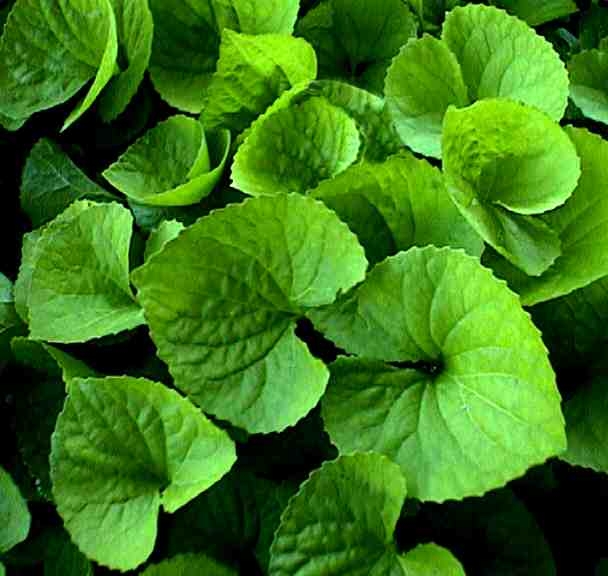


Leaves is an interesting topic. They are in different shapes and sizes, and they contain chlorophyll. Even though they are all different in many ways, they have many areas in common.
Starch
All leaves contain starch, unless it is used up. The starch is only present in specific parts of the leaf as shown in the picture above. Leaves have to be boiled in alcohol in order to remove the chlorophyll and make it easier to see the starch turn dark blue when iodine is applied onto it. The leaf has to be put into alcohol and boiled in a boiling tube, but it must not be placed directly under the flame, as alcohol is flammable (picture above). Once the leaf is boiled in alcohol, the chlorophyll will be removed in the solution and the leaf will become white and colourless. It can now be used for iodine testing, as the results can be seen more clearly.
Cells
All leaves are made up of many cells, and they contain chloroplasts, which hold chlorophyll, giving leaves its green and bright colour. Although there are some leaves which are not exactly green in colour, they still contain chlorophyll, as they have a pigment which makes them look the colour they are, red, maple leaf for example. All leaves also have stomata at the underside and top side, as shown in the picture above. They are pores which allow gaseous exchange between the plant and the surrounding air. Stomata consist of guard cells, which regulate the size and opening of the stoma, just like a muscle. The stomata exchange oxygen and carbon dioxide with the surrounding air during respiration and photosynthesis.
Veins
The veins on leaves have an important use. They are the vascular tissue of the leaf and are located in the spongy layer of the mesophyll. they are made up of the xylem and phloem. The xylem is made up of tubes that brings water and minerals from the roots into the leaf. As for the phloem, they are tubes that move sap, with dissolved sucrose out of the leaf.

No comments:
Post a Comment