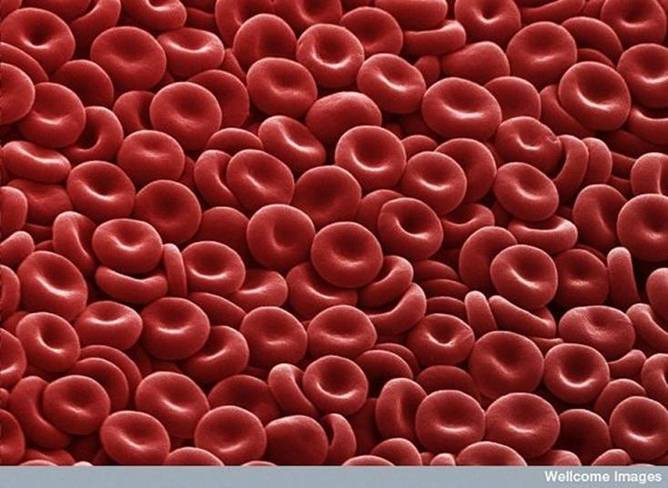


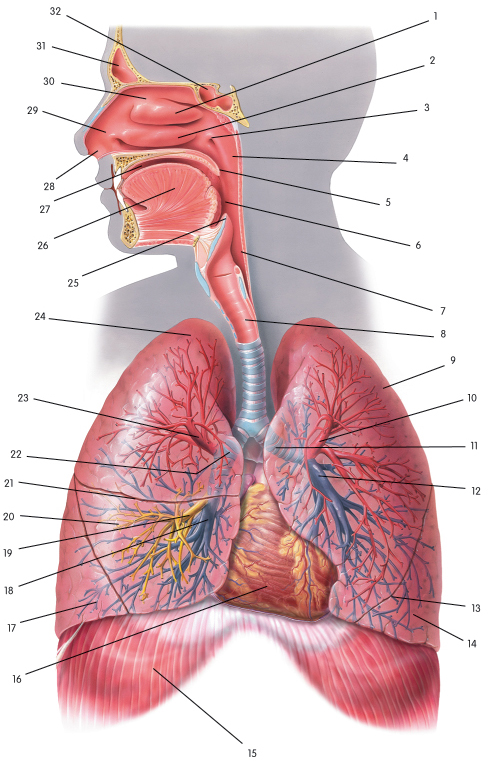
Cells, tissues, organs and systems are all important parts of our human body. Cells are all over our body and usually cannot be seen with the naked eye. These cells may vary in type (nerve cell, cheek cell, hair root cell, etc.) Many cells group together to form muscle tissues in our body. These tissues are rich in protein. Examples of tissues in our body are (muscle tissues, and even blood). There are three different major types muscle tissue. The cardiac muscle, skeletal muscle, and visceral muscle. The cardiac muscle is found in the heart, the skeletal muscle in the bones, and the visceral muscle in the arteries, bladder, digestive tract, as well as other organs. The tissues in our body cluster together to form organs, such as the heart, brain, stomach, etc. As mentioned above, the visceral muscle makes up many of the organs in our body. A few organs make up a system, which is required by our body to live. Examples and uses of systems are the digestive system, which breaks down food into simpler substances, the respiratory system, in which oxygen is taken in and digested food is used up as energy, the circulatory system, in which blood is pumped all over the body to transfer oxygen to the various parts of our body, etc. Each and every organ and system plays an important part in our daily lives, and without them, our body cannot survive.

No comments:
Post a Comment